
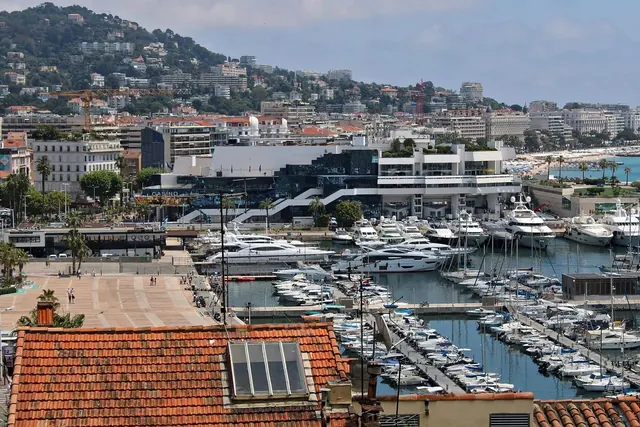
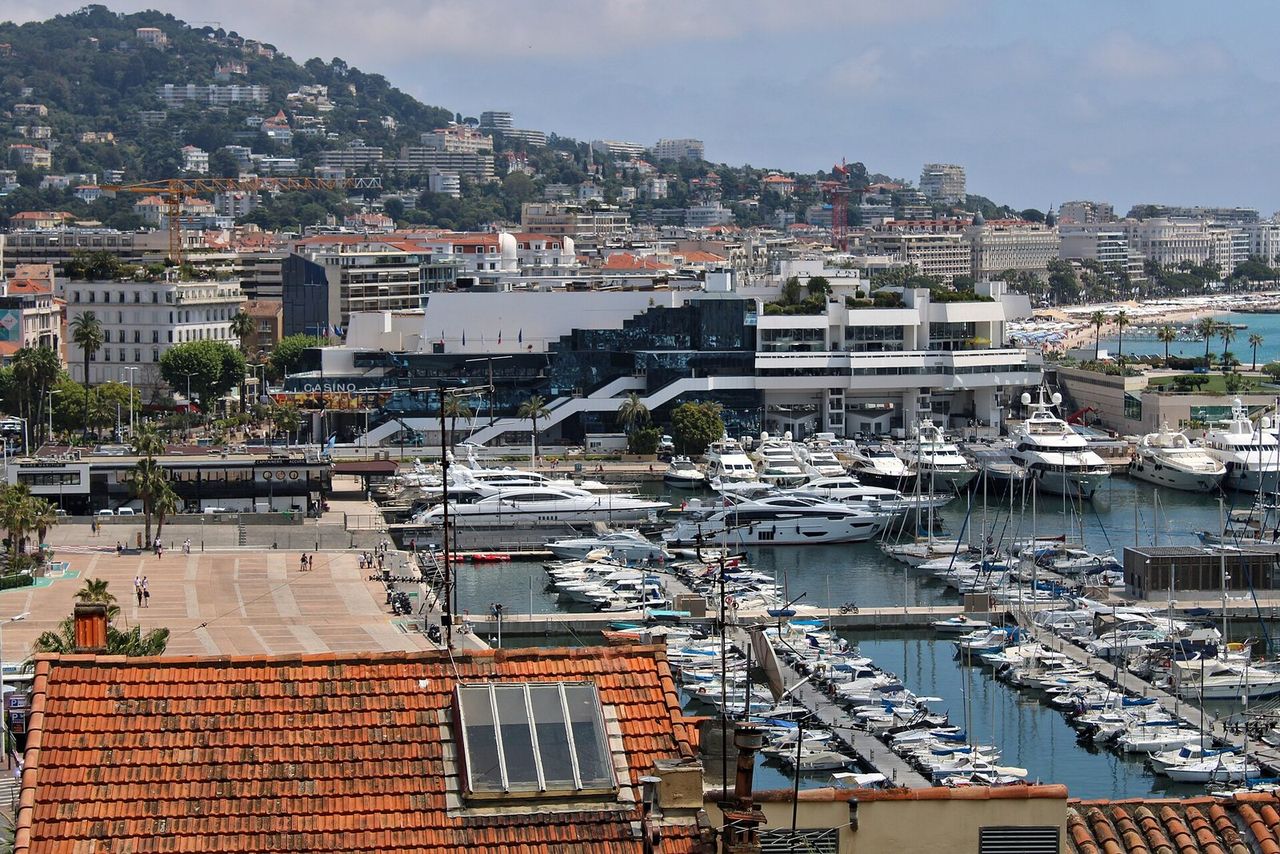
Every May, along the French Riviera, the Boulevard de la Croisette transforms into a high-wattage media spectacle. Mainstream reporting frames the Cannes Film Festival around haute-couture gowns, red-carpet photocalls, and the pursuit of the prestigious Palme d'Or.
However, beneath the primary auditorium of the Palais des Festivals lies an expansive subterranean trade complex: the Marché du Film. In this windowless convention floor, tuxedoes and champagne yield to spreadsheets and nondisclosure agreements. Here, more than 14,000 film producers, international sales agents, and acquisition executives from over 140 nations negotiate distribution contracts across hundreds of private screening rooms and makeshift dealer suites.
Red carpets and awards represent the public showcase of cinema, but commercial film markets are the economic engine sustaining the independent film industry. For an independent feature film produced outside major Hollywood studio financing, economic survival does not depend on standing ovations. It depends entirely on whether its international sales agent can orchestrate a competitive rights auction across global territories over the course of several intensive days.
1. Behind the Glamour: The Dual Reality of Festivals and Film Markets
Major international film festivals operate under a dual-track architecture, maintaining separate operations for curated artistic prestige and business-to-business commerce.
The Prestige Track: Curated Competition
The public festival circuit, including the Cannes In Competition and Un Certain Regard, the Venice Orizzonti, and the Berlinale Encounters, is non-profit and artistically curated.
- Curatorial Mandate: Festival artistic directors select films demonstrating bold visual grammar, distinct cinematic authorship, and urgent thematic exploration.
- The Marketing Multiplier: For an independent film lacking studio marketing budgets, a competition slot provides peerless global publicity. A ten-minute standing ovation, verified trade press reviews, and red-carpet imagery generate the vital cultural currency required to drive commercial transactions downstairs.
The Commerce Track: The International Film Market
Running concurrently with major festivals are dedicated global trading markets:
- Marché du Film (Cannes): The world's largest motion picture marketplace, facilitating hundreds of millions of dollars in licensing agreements across more than 4,000 registered titles annually.
- European Film Market (EFM, Berlin): Held every February, setting baseline commercial pricing and launching annual co-production partnerships.
- Sundance Film Festival (Park City): The premier acquisition arena for finished American and international independent films, marked by competitive bidding wars from streaming giants and prestige distributors.
Without the financial capital deployed in these commercial markets, the global independent film ecosystem would face insolvency.
2. The Buyer Ecosystem and Deal Structures
In hotel suites and convention stalls, buyers and sellers negotiate rights agreements that define how and where a film reaches paying audiences.
The Buyer Spectrum
- Prestige Theatrical Distributors (A24, Neon): Renowned for curated taste and culturally resonant theatrical distribution. Acquiring a film through A24 or Neon guarantees a dedicated theatrical window across North American art-house circuits and sets up an awards-season campaign.
- Global Streaming Platforms (Netflix, Apple TV+, Amazon MGM): Backed by substantial cash reserves, streamers frequently pursue worldwide buyouts, seeking exclusive content assets to drive subscription acquisition and reduce customer churn.
- Traditional Studio Specialty Arms (Searchlight Pictures, Sony Pictures Classics): Experienced theatrical operators providing sustained, multi-month platform rollouts for established auteur directors.
- Territorial Independent Distributors: Local champions (such as MK2 in France, Curzon in the UK, and Gaga in Japan) that acquire exclusive regional rights tailored to domestic audience demographics.
Deconstructing Core Deal Terminology
- Minimum Guarantee (MG): An upfront, non-refundable licensing fee paid by an acquiring distributor to the production company for the exclusive right to exploit the film within a specific country. For example, a French distributor might pay a $350,000 MG for French distribution rights. The producer keeps this cash immediately. If box office receipts exceed the distributor's MG and approved Print and Advertising (P&A) costs, additional net revenue is split according to an agreed percentage (typically 50/50 or 60/40 overages).
- Territory Sales: The traditional independent model where international sales agents license distribution rights country by country, rather than surrendering global rights to a single buyer.
- All-Rights Buyout: A single distributor or streaming platform pays an all-inclusive premium to acquire all distribution avenues, theatrical, home digital transactional (TVOD), airline, and subscription streaming (SVOD), worldwide, eliminating backend overage opportunities for the producer in exchange for guaranteed upfront profit.
| Acquisition Structure | Payment Terms | Producer Advantage | Upside Ceiling | Primary Buyer Profile |
|---|---|---|---|---|
| Territorial MG + Overages | Upfront non-refundable MG + backend splits | Retains multi-territory long-tail revenue | Unlimited (scales with breakout box office) | Independent theatrical distributors (A24, Neon, MK2) |
| All-Rights Buyout | Single comprehensive upfront lump sum | Complete risk transfer and immediate profit | Capped (Zero downstream revenue share) | Major streaming platforms (Netflix, Apple TV+) |
| Service Deal (P&A) | Producer funds marketing; distributor takes % fee | Producer captures dominant share of gross | High, but producer assumes distribution risk | Well-capitalized independent production entities |
3. Anatomy of a Festival Bidding War: 72 Hours in a Hotel Suite
Securing a high-value distribution agreement follows a compressed, highly theatrical timeline.
Phase 1: Pre-Market Positioning and Promo Reels
Transactions often originate well before a camera rolls. International sales agents (such as FilmNation or HanWay) circulate pitch decks and short promo showreels at preceding markets. Buyers commit to early script-stage pre-sales based solely on director track records, script bibles, and attached bankable actors.
Phase 2: The Festival Premiere and Review Embargo Lift
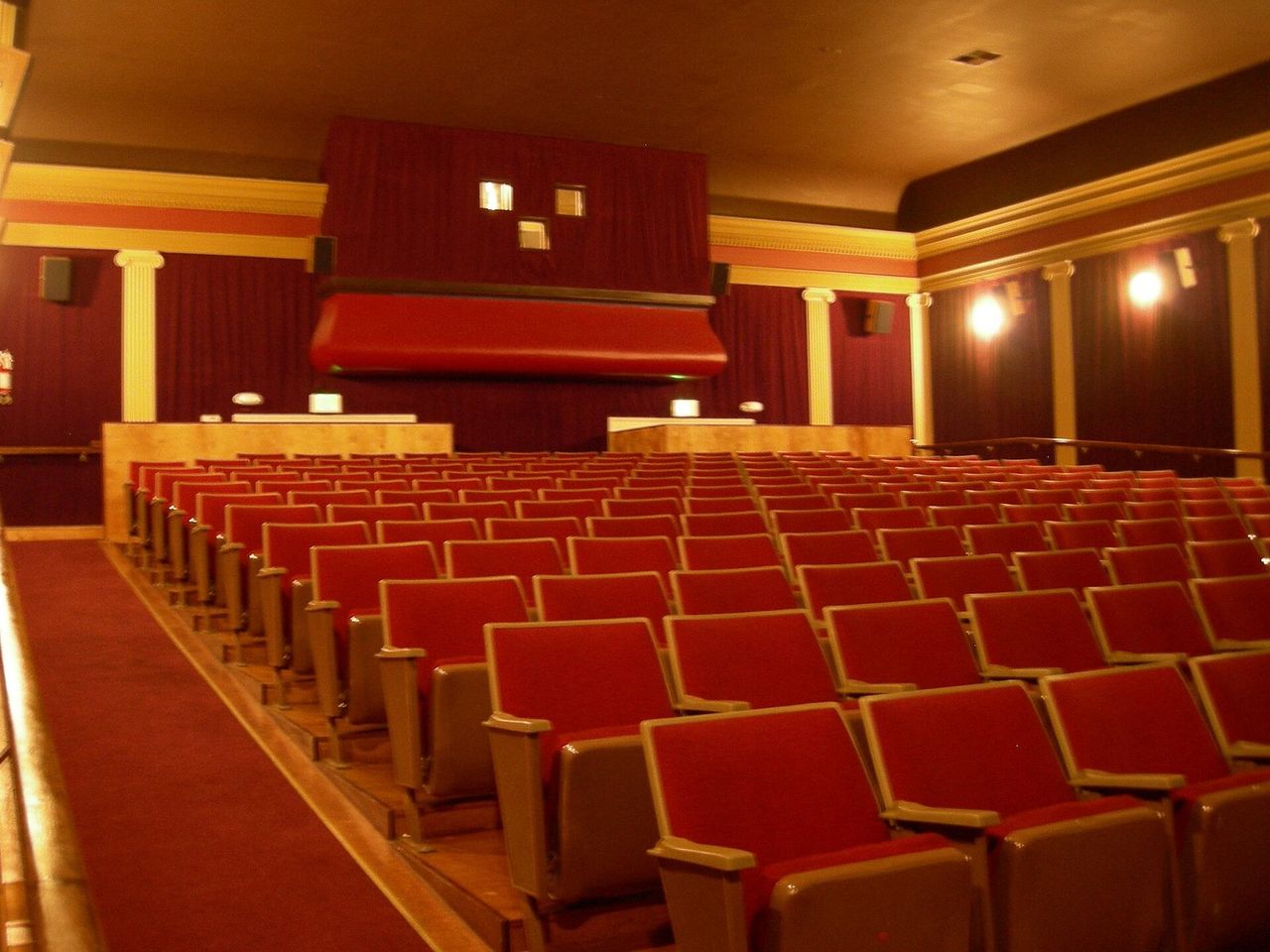
When a film premieres in the official competition, acquisition executives sit quietly throughout the auditorium, gauging audience reactions. Within two hours of the final credits, the review embargo lifts. If reviews from key trade publications (Variety, The Hollywood Reporter, Screen International) are glowing and Rotten Tomatoes scores register above 90%, the sales agent's phone rings continuously. A breakout critical darling instantly becomes the target of a high-stakes corporate auction.
Phase 3: The Midnight Hotel Suite Auction
High-stakes bidding rarely occurs on the convention floor. Instead, meetings shift to luxury hotel suites along the Croisette or in Park City condominiums.
- Competing Bids: Sales agents schedule back-to-back meetings throughout the night. A boutique theatrical distributor might bid $3 million for North American theatrical rights, while a global streaming giant counters with an $8 million worldwide buyout.
- Windowing Negotiations: Filmmakers and producers weigh financial security against cinematic presentation. Bidders willing to contractually guarantee an exclusive 45-to-90-day theatrical window before digital streaming release often win acquisitions over higher financial bids that bypass theaters.
- Closing the Deal: Legal teams spend the early morning hours negotiating the binding term sheet. By daybreak, a multi-million-dollar distribution deal is finalized and reported across international entertainment trades.
4. Production Realities: Chain of Title, Technical Delivery, and Recoupment
For independent filmmakers, understanding market mechanisms provides practical production advantages.
1. Pre-Sales as Production Financing
Rather than relying entirely on private equity, seasoned producers package scripts with an international sales agent to secure advance distribution guarantees from European and Asian markets. These signed pre-sale contracts serve as collateral to secure bank production loans and completion bonds, funding physical production without surrendering final cut.
2. Rigorous Chain of Title Verification
A distributor will cancel a deal if legal chain-of-title documentation exhibits flaws. Producers must deliver an unassailable document trail:
- Option agreements and clear copyright assignments from source-material authors.
- Standard work-for-hire releases for all writers, directors, and principal cast members.
- Worldwide, perpetual synchronization and master use music licenses cleared for all theatrical and streaming media.
3. Fulfilling the Technical Delivery Schedule
Closing an acquisition triggers the delivery schedule, requiring standard technical assets:
- DCI-Compliant Digital Cinema Packages (DCP) formatted to SMPTE specifications.
- Uncompressed Audio Stems: Fully separated Music and Effects (M&E) tracks stripped of all dialogue, enabling foreign distributors to create local dubbed audio tracks without compromising underlying musical scores and foley sound design.
Balancing authentic auteur expression with market distribution standards ensures that an artist's vision reaches global audiences while preserving the financial sustainability required to build an enduring filmmaking career.
来源
- 美元折人民币按 2026 年 10 月 10 日银行中间价 1 美元约 6.69 元,见 汇通网当日牌价。
- 戛纳、威尼斯、柏林、圣丹斯和交易市场名称是公开节展信息。文中的报价是说明竞价怎么走的例子,不是某一部影片的已公布合同。