
At some point in the 1990s, the owners and corporate sponsors of One Times Square, the triangular skyscraper famous for its New Year’s Eve ball drop atop the giddy duo of Andy Cohen and Anderson Cooper , recognized that their location caught the eye of nearly every pedestrian below. There, they erected one of the first computer-controlled LED billboards to promote everything from cars and fashion designers to albums and Hollywood blockbusters.
Having a studio pay an exorbitant fee for 30 seconds on a 25-story billboard made of 8,692 pixels meant that the studio believed in whatever movie they were hawking. It’s a filmmaker’s dream to imagine their work lit up sky-high, illuminating one of the world’s most famous intersections.
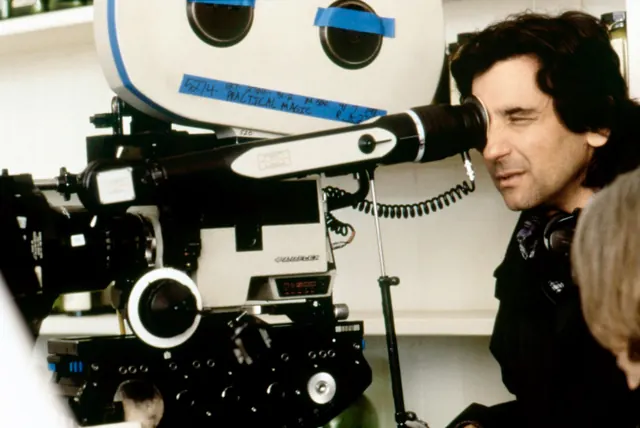
On a warm autumnal evening in 1998, I emerged from the R train to see a Godzilla-sized advertisement for Practical Magic . As the movie’s director, I checked the Times Square fantasy off my list.
The other day, hoofing it to the Brill Building from the R stop, I saw, on an even bigger LED screen, a digital poster for Practical Magic —same artwork, same font, same cast, only this time there was a huge-ass “2” behind it. This conjured, dare I say, a “spell” of memories from the time I spent bringing Alice Hoffman ’s magical novel to life.